

Mother Load
thoughts on the California avalanche

I wasn’t planning to write about the avalanche that killed nine skiers as they left Frog Lake Backcountry Huts in a snowstorm on February 17. I’ve never backcountry skied in the Sierra. I do not have personal knowledge of the snow conditions that day or the decisions the guides and skiers made. I do not have enough information to form an opinion of what they should or shouldn’t have done. I didn’t know any of the skiers or guides personally. I have no stake in the outcome of the investigation and unlike their families, I have lost nothing in this tragedy.
But as a backcountry skier, a mother, and a longtime mountain athlete, I’m haunted by the avalanche. It hits so close to home.
Nothing I write here is meant to insinuate a correct response, point fingers, or compare myself to the skiers on the trip. I pass no judgment on mothers who assume risk by going into the wilderness. I’ve built my life around doing the same. I will always defend a women’s right to pursue her own wildness.
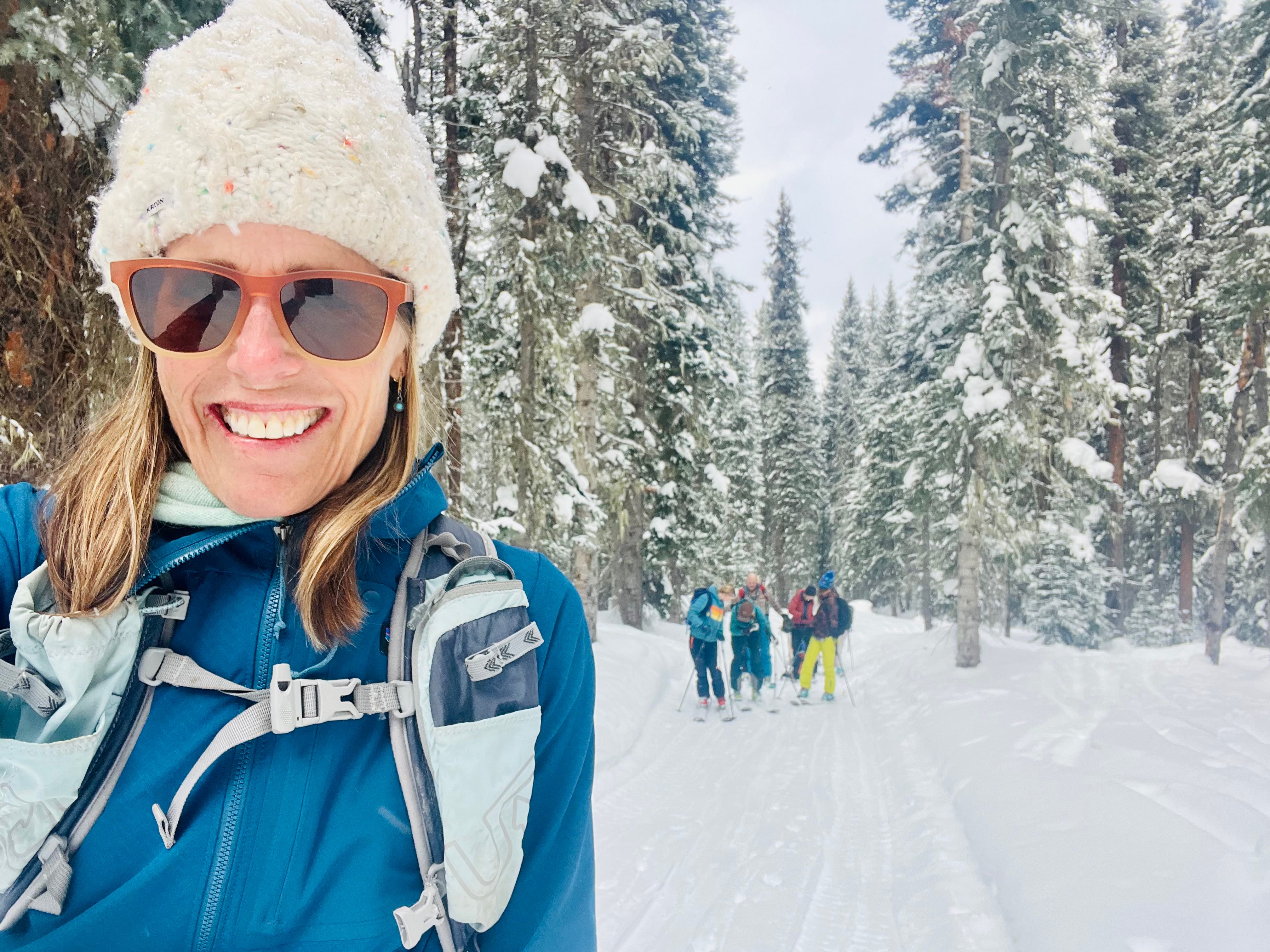
Rather, I write from a place of compassion for those who lost their lives, and with an understanding of the complexities of traveling in the backcountry, moving as a group, and assessing risk. I can’t know what I would have done in their situation because I wasn’t in it. But I can all too clearly imagine a scenario where my friends and I might have been.
Ever since our two daughters were very small, we’ve taken frequent backcountry trips with a group of 4-5 other families, rafting in the warmer months and skiing into a mountain hut each winter. These trips have been among the most meaningful experiences our family of four has had. Through them, we’ve built a strong, layered web of support for our children as they’ve grown. We’ve forged bonds that deepen long after the trip ends. We’ve passed on our love and stewardship of wild places to the kids; we’ve taught them backcountry knowledge—hard skills like how to pack a raft and read snow layers, and essential life lessons, not least of which is don’t be an asshole in the wilderness, or anywhere.
The comfort this provides as we navigate the volatility of our world is immeasurable. Whatever happens, I know we’ll always have each other, and the teamwork, care, mutual responsibility, and love we’ve build over more than a decade of wilderness travel together.
The avalanche victims in California were all adults; this was not a family trip, save for two grown sisters. Nor was it a private trip led by friends, as ours usually are. Theirs was led by four mountain guides. But from the articles I’ve read, the six women in particular were part of a tight-knit community of experienced adventure families from Truckee and the Bay Area. A piece published this week in the The Atlantic reports that one of the women and her husband often skied into Frog Hut, and they’d made lifelong memories there. We, too, trek to High Camp Hut, outside Telluride, every winter for a weekend of ski touring and sledding. We’ve watched the kids grow up there, from toddlers towed in on ski pulks to teenagers with their own alpine touring skis and avalanche gear.
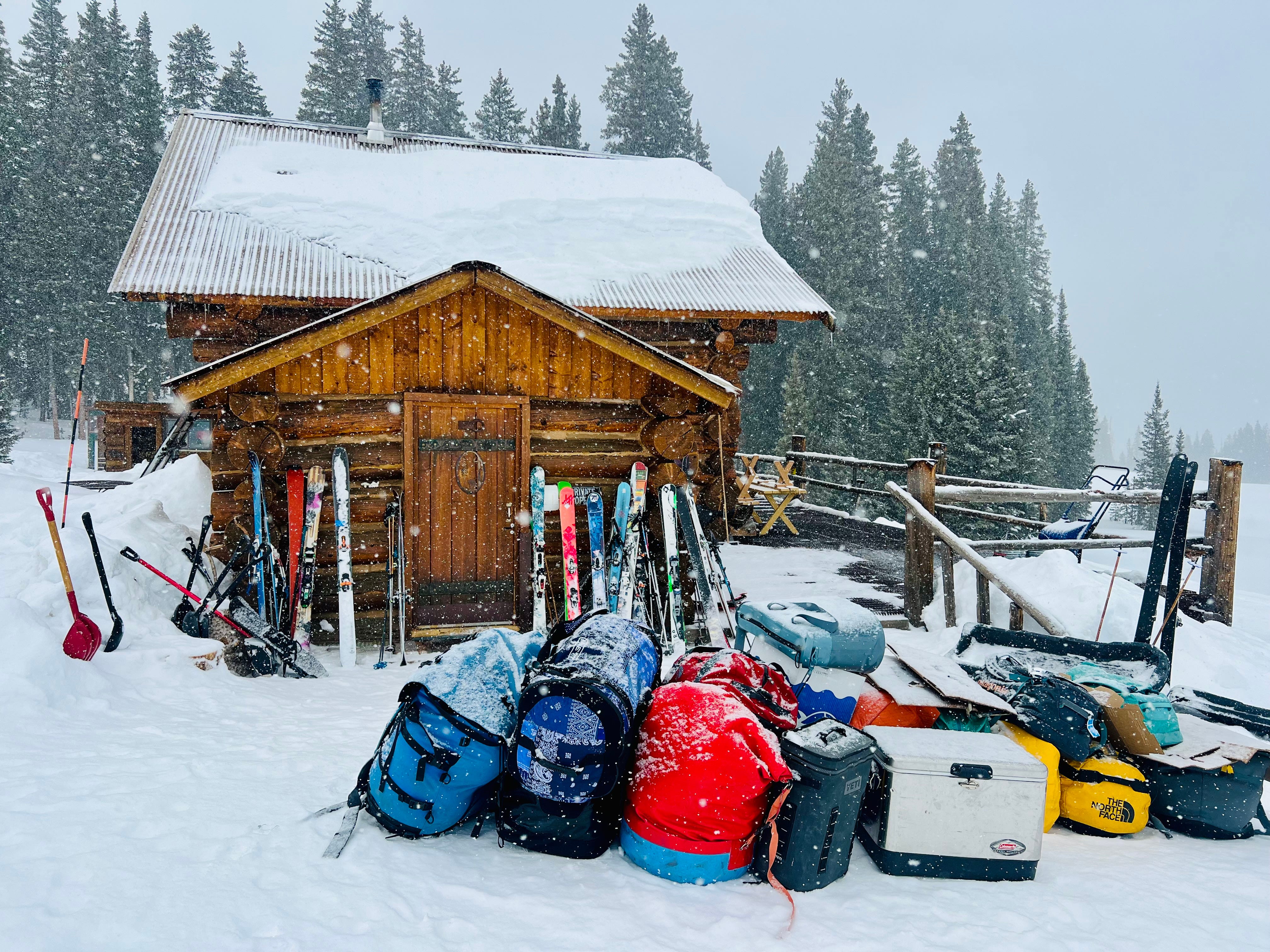
High Camp has become family tradition and one of our most treasured memories.
Which isn’t to say going into the wilderness with kids has been easy. But has it been worth it? Absolutely. One hundred times over.
The grownups in our group each have own distinct roles. Steve and I are typically the planners and motivators. Stew is the E.R.-trained doc. Blair is avy-trained and an incredible cook. Win is the Grand Canyon River guide with years of leadership experience and wilderness-medicine training. Elizabeth brings the love (and sunscreen). And cookies. Sam is the solo-wilderness tripper-turned-Pied Piper; whatever he does, the kids want to, too. Nicole is the watchful eye and the warm lap when someone needs a hug. Chris brings absurd amounts of candy and a calm demeanor; Kate is the voice of reason and an instigator of all the best games.
These are gross generalizations, of course, but together, as a group, we share the responsibility of making sure everyone everyone gets out well-prepared and comes home in one piece; of assessing risk and making decisions for the safety of all.
This didn’t happen right away. It’s taken us a while to sort out what feels good, how much risk we’ll tolerate especially when it comes to the kids, and when to call it. We didn’t always get the balance right. In the early years, when the kids were much smaller, we mothers seemed to carry the burden of worry ahead of each trip; we texted each other about our fears big and small (flash floods, sunburn, tantrums, Giardia, big rapids, slides—though the route to High Camp does not pass through any avy terrain).
Perhaps it wasn’t that we were more cautious, but that we were more openly communicative about our concerns.
Many times, though, we just kept a stiff upper lip and closed our mouths and got our shit done to get everyone out the door without forgetting the essentials, like extra mittens or socks, or totally losing our cool—the invisible labor of motherhood. Now when my friends and I look back, as we often do, we’re amazed that we pulled it off at all. Toddlers in lifejackets! That time we cross-country skied into a doll-sized yurt with three toddlers and one infant who slept on the floor and we were practically on top of each other and literally had to step over the baby to get anywhere. The stomach bugs and night terrors at altitude. Accidentally lunching on a log next to a rattlesnake. It makes me tired just thinking about it!
But also so grateful.
Which is why when I think of the six women on the trip who lost their lives, I feel tremendous empathy. We have no idea what they made of the guides’ decision to leave the safety of the hut that morning, but I can only imagine the conversations they would have had with each other in their room, talking through their worries together, as women do—the pros and cons, the children and partners at home, the snow, the storm, the skiing they so loved. In every group, there are those who are more risk tolerant and those who are less, and in our group of female friends, different scenarios bring out different sides of us. One of us is comfortable on high-exposure alpine scrambles. One of us worries about rapids, another about weather. Unconsciously, perhaps, we take turns shouldering the burden.
Being together in the backcountry, especially as women, means not just reveling in the shared wonder of the wilderness but also supporting each other through our misgivings and fears and modeling to our partners and children how to do the same.
From what little I know of these women, friends, and mothers, I can only assume that they did that, and were that, for each other, until the end.
I find some consolation in that.
Be good to each other & yourself out there.
xoxo katie
Amen.
That was really moving and thoughtful. Thank you, Katie.