

cottage chronicles, pt 2
read, ride, write, flow

I just finished writing piece about loons for this week’s post and then realized I wanted to send it out for submission. So that’s what I did. As with all things at the cottage, it’s weather-dependent. We’ll see what the wind brings. Either way, I hope you’ll be reading it here in some form or another soon.
Meantime, let’s talk about my formula for summer flow. It’s simple:
Read, ride, write.
Repeat.
Every summer at the cottage is different, and it’s the same every year. In first couple of weeks on the island, you have to find your rhythm again. It’s always an adjustment, no matter how happy you are to be back. The main thing is to stay open to the possibilities each summer presents.
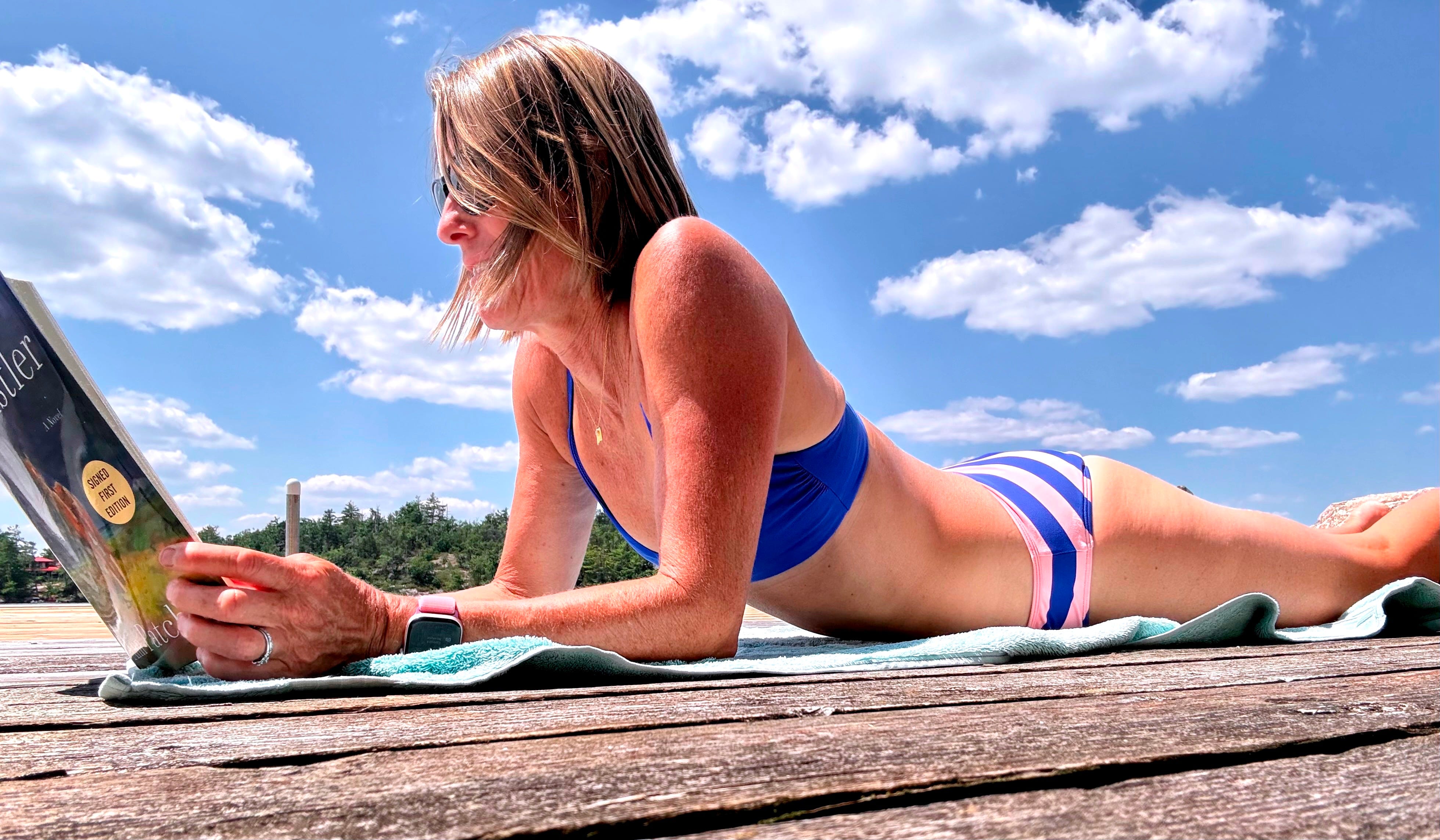
Is this my running summer (I’ve had lots)? My fiction summer (I’ve written 2/3 of my novel here over the past two summers). Maybe it’s my super social summer (flashback to 16!), or my swimming-round-the-island summer (someday). Come to think of it, it better be my finishing-my-book-manuscript summer.
No matter what, though, every summer at the cottage is a reading summer.
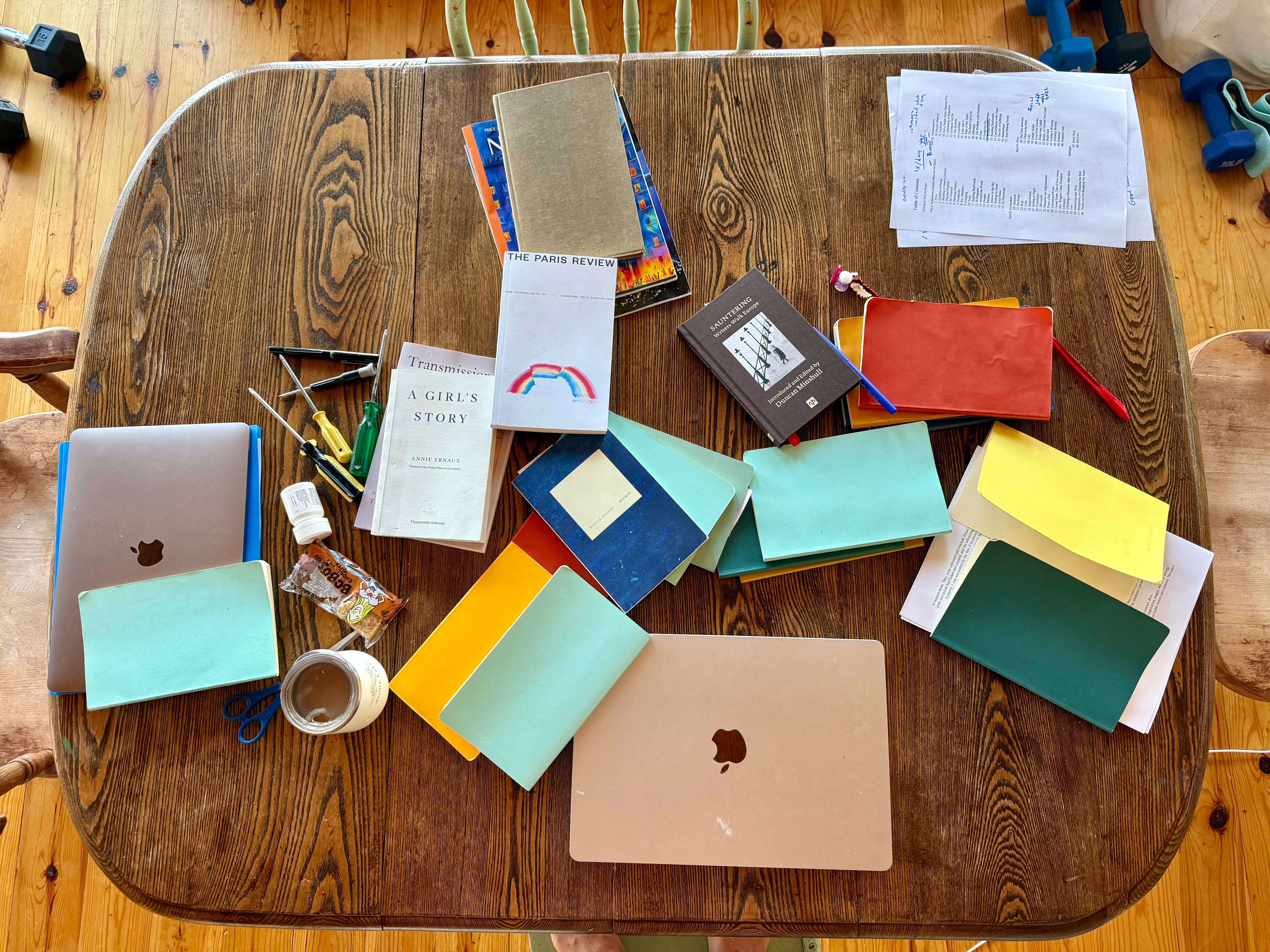
I always bring a stack of books from home, but it takes time to get in the groove. Last week, I rode my bike most mornings and worked in the afternoons. I was happy to be back on the Ontario farm roads but distracted when it came to my manuscript (see also: World Cup, birthdays). I spent a whole week transcribing my notebooks from 2021, looking for the origins of How to Disappear. I couldn’t tell if this was a crucial missing piece of the book’s puzzle or just procrastination.
Then I started reading Ann Patchett’s new novel Whistler, and suddenly everything made sense. I hadn’t been reading. I’d been reading as I do at home, in bed before turning out the light, but not reading reading, cottage reading, in bigger gulps of time, in the middle of the day, or after breakfast and before writing or in the afternoon before a little snooze on the screened porch.
Reading as writing.
Whistler is a killer, in the best way. When I read the book review in The New York Times last month, I actually murmured the word “lovely” aloud to myself in a soft, wondering tone. The book is lovely. And not in a sugary, cringe way, but just wonderful, engrossing, about basically good people who sometimes make rash decisions or don’t make rash enough decisions, but over time grow into fuller, better versions of themselves anyway. I bet if I re-read the review, I’d find the word “forgiveness” in it because it is about forgiveness. Also hopefulness. And plain old love.
If it sounds boring, it’s not. Far from it. Patchett is brilliantly sneaky with her characterizations and insights, slipping emotional doozies into otherwise ordinary lines and making no fuss whatsoever about it.
“Not having to cook made me think for a minute that going to brunch had been worth it. Going to brunch had been worth it because now I knew what was going on with Eddie.”
At last my summer reading was in full swing. I began, as I told my friend Jenna when she came over for lunch, “to prioritize reading.” Doesn’t that sound official!
It just meant that I couldn’t put the novel down. It was the last thing I read at night and the first thing I reached for with my coffee each morning. It could have been any book, but it was this one. Patchett’s sentences went straight into my bloodstream. Sometimes you see someone else do it and you realize you can, too. Or you hope you can. Or you simply want to try.
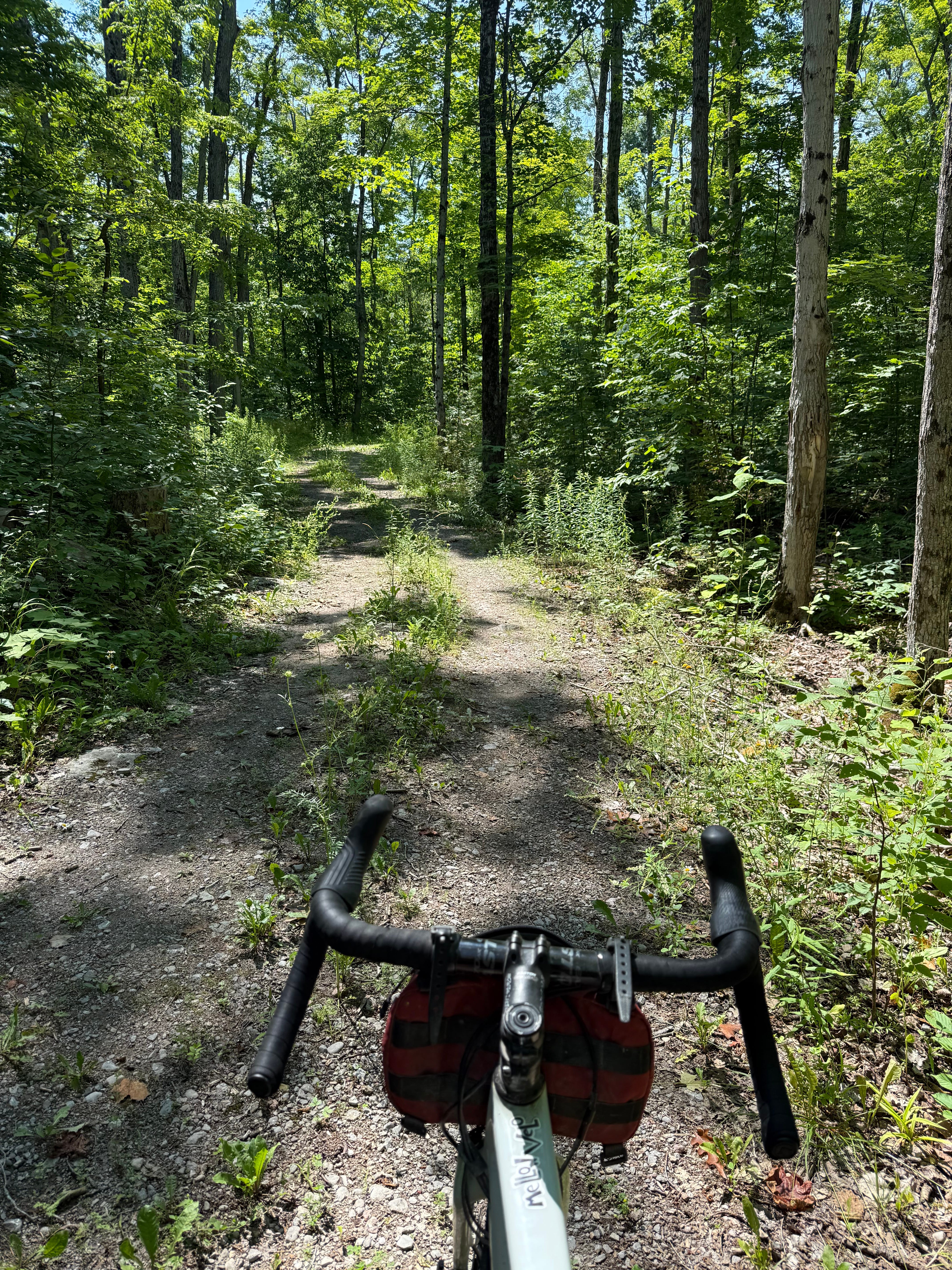
Now I had a pattern for my days. First I read, then I wrote a little in my notebook, then I rode—25 miles, 30, 37—and when I got back I practically ran to my computer to write. The flow was on. Reading had been the missing piece. Sometimes you need to exist beyond yourself and your imagination in order to blow your imagination. That’s what was happening to me.
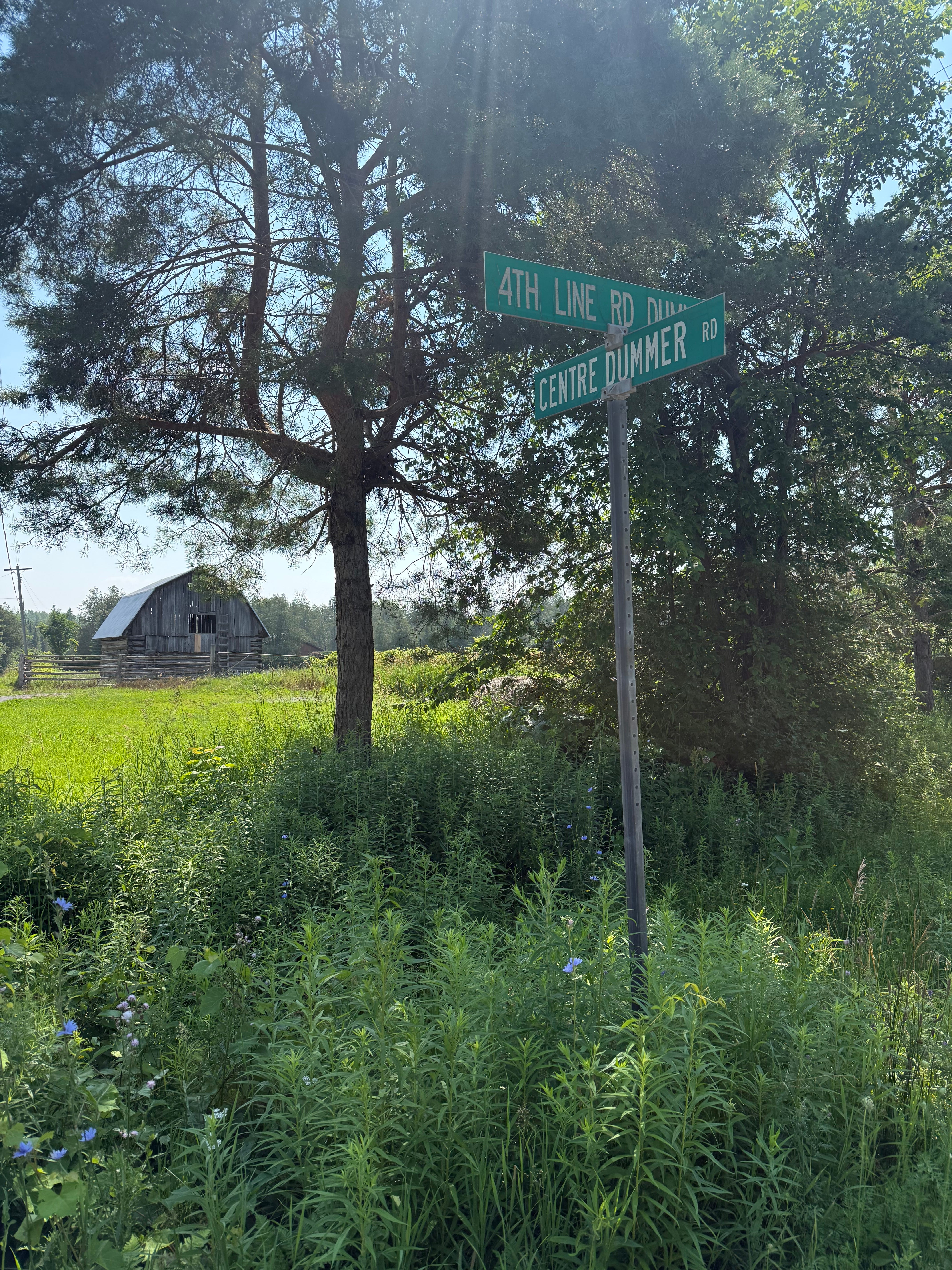
I realized I had to slow down with Whistler or else it’d be over too soon. Then it hit me that I could read even more books—by listening to them while I rode my bike. I rarely if ever listen to audio books. I need to put my eyes on the words in order to fully absorb the story, or so I thought. One day last week, a particularly hot day when I hadn’t gotten out early enough for my ride, I gave myself a little carrot. I downloaded an audio book my friend Gina had recommended, Strangers by Belle Burden.
I listened to Burden narrate her shocking and now-infamous story of abandonment and divorce in her precise, straightforward way—written so directly, cleanly like the lawyer she is, first this, then that, practically a dissection—and I rode a thousand miles that day (yes, with only one earbud in).
I rode a thousand more miles the next day, listening until the book was over. There are so many ways to write a book! So many voices! Of course I knew this. I teach this. But now I was living it, reading it, riding it, writing into my own voice.
It never fails: The story you’re telling always teaches you how to tell it.
Now I’m back in my manuscript full-tilt. It feels good, like there aren’t enough hours in the day to do it all, or rather, I could do it all all day. I don’t, of course. There’s swimming and chores, meals, dump runs, rest days, visiting friends, writing this Substack, paddling, looking for loons, and writing about loons.
(By the way, pitching’s a crap shoot these days, so I advise my students to write what they’re moved to write and pitch after. Write what wants to come out; find your voice, your story and worry about audience after. That way you’ve made something you love and are proud of, even if it doesn’t get picked up. Better that than writing for publication and it still not getting picked up.)
I finished Whistler this afternoon. I’m left with nothing—-nothing to say or add—and everything. Awe. How does she make it look so easy, like, in her own words, a hot knife through butter? Like she’s talking out loud, telling a story to a friend? How lucky we are such books exist! So I’m straight onto the next one, Transcription, and I’m already half in love. Ben Lerner is describing his character at an exhibit of glass flowers at Harvard in the 90s, but he’s really writing about writing, oneness, and flow:
“I sensed that the tiny stems and styles and petals surrounding us were vibrating imperceptibly, or maybe just perceptibly, from our footsteps and voices, that the little wires in the models could register every our breath, but also that the specimens were trembling from the exhalations and voices and footsteps of all the people who had ever been in their presence, still vibrating too from the journey by boat from Europe…..The flowers were recording instruments of exquisite sensitivity; their glass anthers captured someone pouring a glass of water, the turning of a page.”
I don’t have all the answers, only some, but I keep coming back to what works: move your body, make something with your imagination. And read. Read, read, read.
sending love from stony lake,
xo katie
This captures the exact vibe I am hoping for when I am on vacation for a few days this week! I love that you listened to Belle's book -- there was something so perfect about hearing her narrate her story. It brought it to life in a way I don't think I would have felt on the page. xo
Funny, I also rarely listen to audio books but I did listen to Strangers. I loved it! And I enjoyed hearing the process of how her piece was published as a Modern Love essay and then grew into a book.